Guides
Male Masturbator Materials: TPE vs Silicone
Male masturbator materials guide covering TPE, silicone, SuperSkin-style blends, smell, safety, cleaning, drying, lube compatibility, and durability.
Male masturbator materials are annoying because the best-feeling option is not always the safest-feeling, easiest-cleaning, or least-smelly option.
The short version: Soft TPE usually feels great and costs less, but it can hold smell and needs careful drying. Silicone is usually easier to clean thoroughly. Brand-specific soft blends live in the middle: Nice feel, but still needy.1
If you are choosing the actual toy type first, start with the best male masturbator guide. This page is for the material tradeoffs once you know the category.
TPE vs silicone vs SuperSkin-style blends
| Material type | Best reason to buy it | Main catch |
|---|---|---|
| Soft TPE | soft, stretchy, realistic feel for less money | porous, smell-prone, needs careful drying |
| Silicone | easier cleaning and better durability | usually firmer, less stretchy, and more expensive |
| SuperSkin-style blends | branded soft sleeve feel in cased toys | exact formula is unclear, care still matters |
The lazy rule: pick TPE for feel, silicone for simpler care, and branded blends only if the actual product format also makes sense.
What matters most in male masturbator materials?
Do not obsess over one material word without looking at the whole toy.
What matters:
- how soft it feels
- whether it is porous
- what lube it accepts
- how hard it is to clean
- how long it takes to dry
- whether it has a strong material smell
- whether it gets tacky
- how quickly it tears or degrades
- whether the brand gives real care instructions
Two toys can both say TPE and feel completely different. One can be soft and realistic. Another can feel like sticky rubber sadness. Material names help, but they do not tell the whole story.
Is soft TPE good for male masturbators?
TPE is common in Onaholes, strokers, and many realistic sleeves. Kiiroo, for example, says all of its FeelStrokers use TPE.2
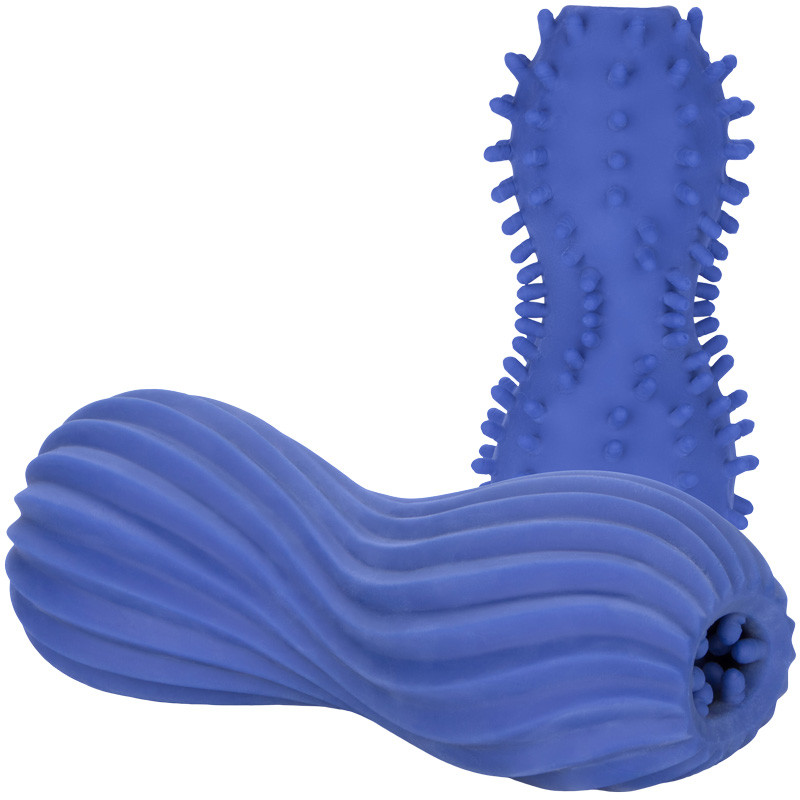
The good part: It can be very soft, stretchy, squishy, and realistic for the price. If someone says a male masturbator feels “realistic,” there is a decent chance soft TPE or a related elastomer is doing the work.
The bad part: TPE is usually porous. That means it is harder to clean perfectly than non-porous materials. It can hold smell, needs careful drying, and may get tacky without powder.3
I like TPE for feel. I do not like pretending it is zero-maintenance.
Is silicone better than TPE?
Silicone is usually the more durable, body-safe-sounding option in product listings, but the reality is still product-specific.
Good silicone is non-porous, easier to clean, and longer lasting. It also handles storage better than many ultra-soft TPE sleeves. The downside is feel and price. Silicone male masturbators can be firmer, less stretchy, and more expensive.1
If you care more about durability and simple care than maximum softness, silicone is worth considering.
The lube rule matters: Silicone lube can damage some silicone toys. Use water-based lube unless the product instructions clearly say otherwise.4
What is SuperSkin and Fleshlight-style material?
Fleshlight uses its own SuperSkin material.5 Other brands use their own soft blends. The exact formulas are usually not public in a way that helps a normal buyer.
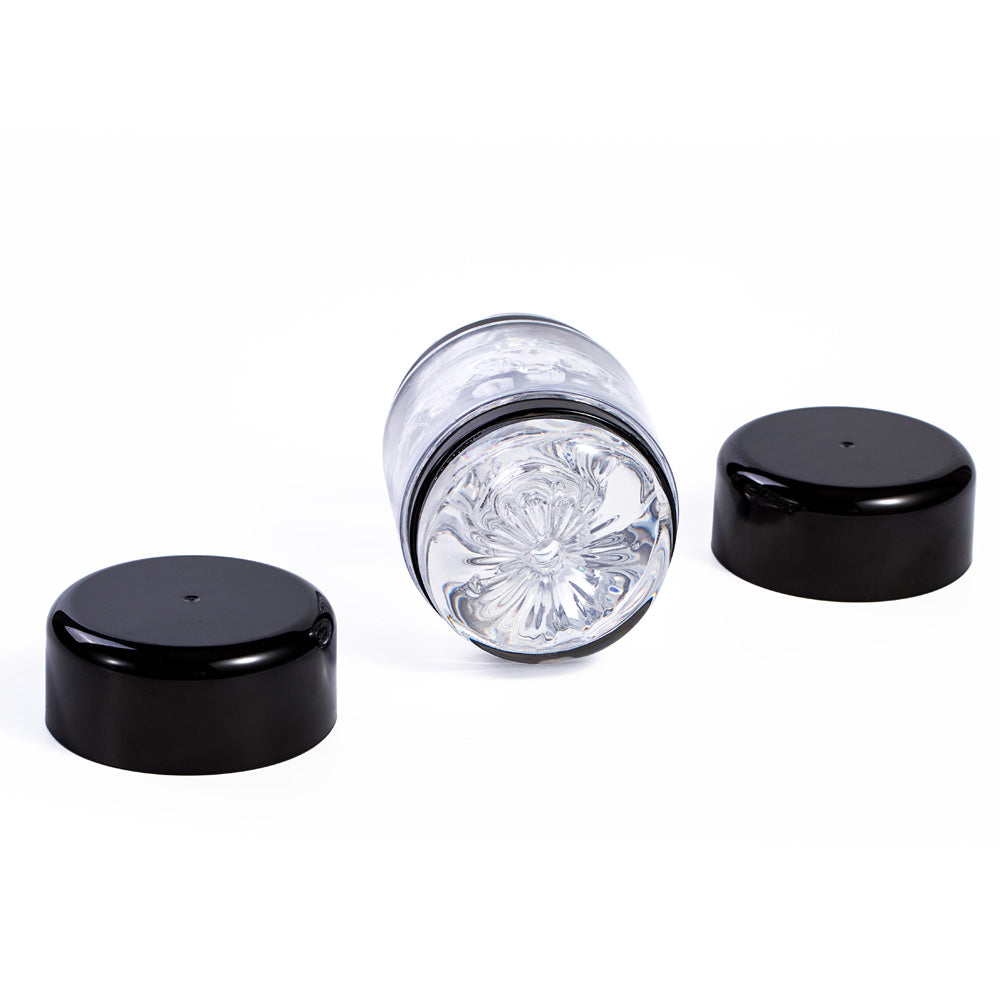
So I would judge these materials by behavior:
- soft feel
- water-based lube requirement
- careful cleaning
- full drying before storage
- occasional renewing powder if recommended
That is the practical truth. The brand name matters less than whether you will actually care for the sleeve.
If you want a real product example of a soft branded sleeve with tradeoffs, the Kiiroo FeelRae review is a good reference. Nice realistic feel, but still a soft TPE sleeve that needs proper care.
Porous vs non-porous: Why does it matter?
This is the part worth understanding.
Porous materials can have tiny spaces that hold moisture or residue more easily. Many soft TPE toys are porous. You clean them, but you should not treat them like glass or stainless steel.6
Non-porous materials are easier to clean more thoroughly. Silicone is usually the common example in sex toys.
For male masturbators, porous does not mean “never buy it.” It means be realistic. Clean it after every use. Dry it fully. Replace it when it gets weird.
Which lube works with TPE and silicone?
Water-based lube is the boring default because it works with most sleeves.
Silicone lube can be risky with silicone toys and some soft materials. Oil-based products can damage many soft sleeves and are a bad default.3
If the toy listing says water-based only, believe it. Do not test material chemistry with your favorite sleeve because you had one bottle nearby.
How do different materials change cleaning and drying?
Material changes how forgiving the toy is, but the basic routine stays similar:

- Rinse after use.
- Clean gently with a safe cleaner or mild soap if allowed.
- Rinse out residue.
- Dry fully.
- Powder if the material needs it.
- Store dry and separate from other soft toys.
The broader routine is here: how to clean male sex toys. For closed soft sleeves, read how to clean an Onahole. For cased sleeves, read how to clean a Fleshlight.
Do TPE and SuperSkin sleeves need powder?
Powder is mostly a soft-material thing. TPE and SuperSkin-style sleeves can get sticky after washing. A light coat of renewing powder or cornstarch, if appropriate for the toy, can bring back the dry soft feel. Kiiroo’s care advice uses the same basic pattern: Dry the TPE sleeve completely, then apply refreshing powder.2
Use less than you think. Too much powder just makes a mess and can clump if the toy is still damp.
No powder fixes a toy that was stored wet for weeks.
Which male masturbator material lasts longest?
Soft feels good because soft materials move. That also means they can tear.
Thin entrances, aggressive textures, and very stretchy sleeves are more vulnerable. Long nails, rough cleaning, and forcing a too-tight toy do not help.
Silicone usually wins durability. TPE usually wins softness per dollar. The better buy depends on whether you value feel or lifespan more.
Are TPE male masturbators body-safe?
I am careful with big body-safety claims because product listings are not lab reports.
What I look for:
- clear material naming
- phthalate-free claims from a known brand
- real cleaning instructions
- water-based lube guidance
- no overpowering chemical smell
- no mystery marketplace listing with nonsense copy
If a toy smells awful, feels oily, stains everything, or the material is not stated anywhere, I would skip it. There are too many other options.
What are Onaholes made of?
Most Onaholes are soft and maintenance-heavy because that is part of the appeal. If you want the basic category explanation, read what an Onahole is.
For an Onahole, I care less about a fancy material phrase and more about whether the sleeve can be cleaned and dried without becoming a chore. A great texture in a toy that never dries is not a great toy for me.
Which material should you choose?
Choose TPE if you want softness and value, and you accept more care.
Choose silicone if you want durability and easier cleaning, and you accept a firmer or pricier toy.
Choose branded blends if the product has strong reviews and clear care instructions.
Skip mystery materials unless the price is so low that you are fine treating the toy as temporary.
Related guides
- Best male masturbator guide
- What an Onahole is
- How to clean male sex toys
- How to clean an Onahole
- How to clean a Fleshlight
- Kiiroo FeelRae review
Sources and notes
Footnotes
-
Healthline’s medically reviewed sex toy cleaning guide supports the broad material distinction used here: Silicone is listed as nonporous, while elastomer and jelly-rubber style materials are listed as porous. ↩ ↩2
-
Kiiroo’s FeelStroker cleaning page says its strokers are made from TPE and recommends warm water, neutral soap, full drying, and refreshing powder. ↩ ↩2
-
The Tool Shed’s toy care material guide supports the TPE/TPR claims: Usually porous, cannot be fully sanitized, water-based lube is best, oil-based lube should be avoided, and soft toys should not be stored touching. ↩ ↩2
-
The Tool Shed guide also supports avoiding silicone lubricant with silicone toys because it can harm the toy surface. ↩
-
Fleshlight’s Amazon brand listing for Renewing Powder describes its sleeves as a patented SuperSkin-style polymer material. It is a brand-controlled retail listing, not independent lab data. ↩
-
Lovehoney’s sex toy cleaning guide gives the plain porous vs nonporous distinction and lists TPE among porous materials and silicone/ABS/glass/metal among nonporous materials. ↩
Keep reading
Related guides and reviews
Best Male Masturbator Guide
Best male masturbator guide covering male masturbator toys, strokers, Fleshlights, Onaholes, automatic toys, realistic feel, cleaning, and materials.
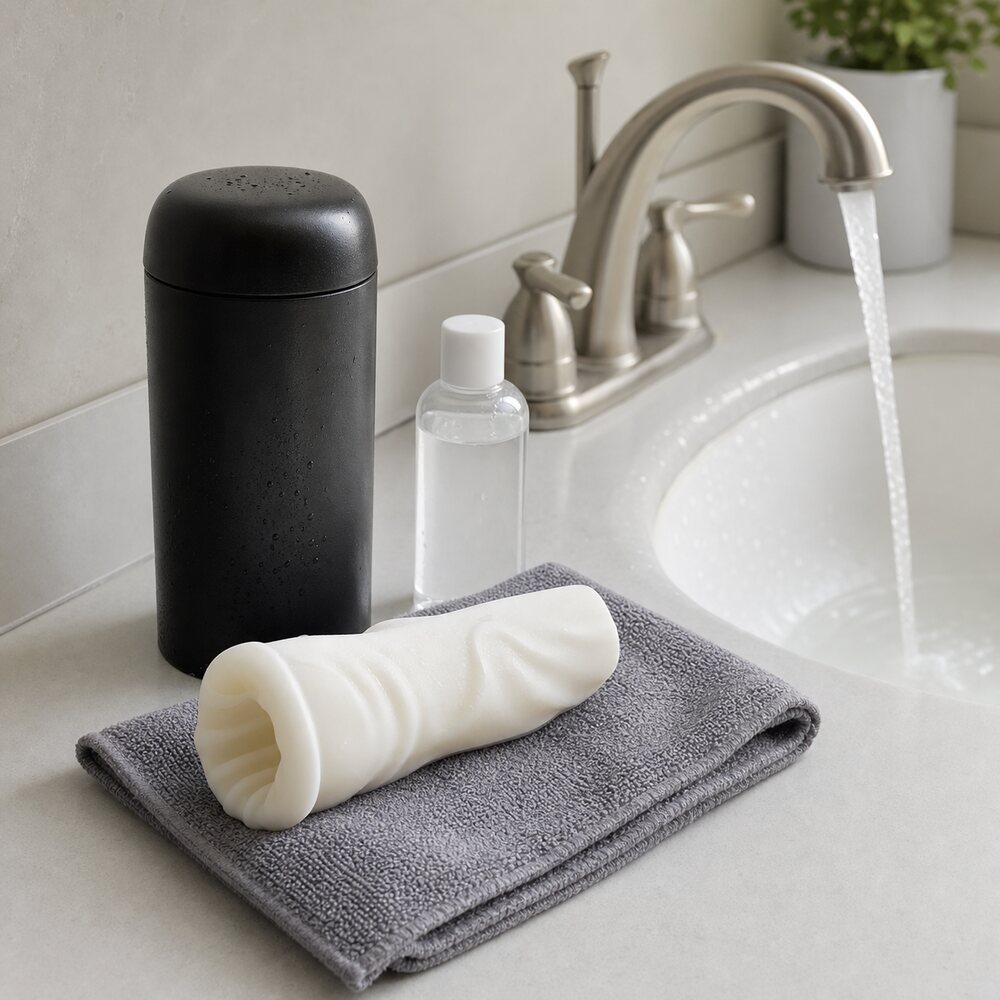
How to Clean a Fleshlight
How to clean a Fleshlight step by step: rinse, cleaner, drying, powder, storage, smell, sticky sleeves, and mistakes to avoid.
How to Clean an Onahole
How to clean an Onahole step by step: Rinsing, mild soap or toy cleaner, drying, powdering, smell, mold risk, and Fleshlight or stroker notes.
Best Fleshlight: What to Buy and Skip
Best Fleshlight picks by real use case: safest first full-size, FleshAssist favorites, easier cleaning, compact options, and who should skip.