The best first male sex toy is usually not the biggest, loudest, most expensive machine. Boring answer. Still true.
The short version: I would start with a simple manual stroker or soft Onahole, use water-based lube, learn what kind of texture and tightness you like, and only then think about Fleshlights, automatic toys, or connected devices.
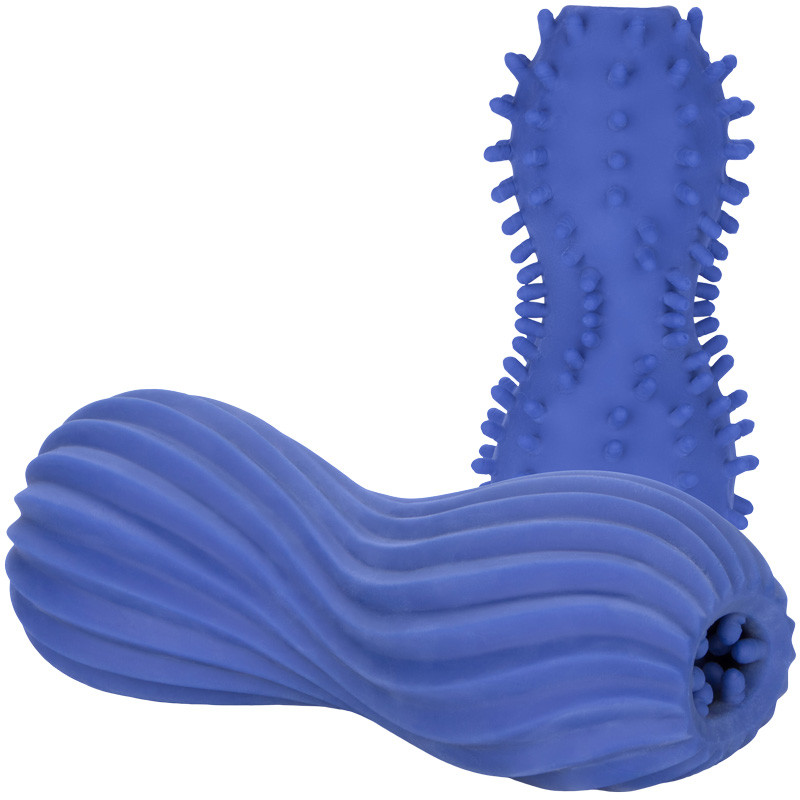
What should you buy first?
For a first toy, I would pick one of these:
| First toy type | Best if you want | Main catch |
|---|---|---|
| Simple stroker | Low-risk first try, easy control, lower price | Can feel cheap if the material is bad |
| Onahole | Soft texture and variety without machine pricing | Needs careful drying and storage |
| Fleshlight-style toy | Hard case, bigger sleeve, more structure | Bulkier and slower to dry |
| Automatic toy | Hands-free motion or synced content | Noise, charging, price, app friction |
If you do not know the basic category yet, read what an Onahole is or what a Fleshlight is. If you are already comparing types, the best male masturbator guide is the broader map, and the male stroker guide explains open versus closed sleeves.
Which first toy fits which buyer?
| If you are thinking... | Start with | Why |
|---|---|---|
| I want the lowest-risk first try | Open-ended manual stroker | Easy to control, easier to rinse, usually cheaper |
| I want soft texture and variety | Medium-intensity Onahole | More texture options without automatic-toy pricing |
| I want something easier to grip | Fleshlight-style cased toy | The case adds structure, but also bulk and drying time |
| I want hands-free motion | Automatic toy | Buy for the motor, not because it looks more advanced |
| I need discreet storage | Small manual sleeve | Less bulk, less noise, easier to hide after drying |
What should beginners avoid?
Avoid the toy that only looks impressive in a product photo. Beginner mistakes are usually practical, not sexual.
- Mystery material with no care instructions.
- Ultra-tight sleeves before you know you like tight toys.
- Huge closed-ended toys if you hate cleaning.
- Automatic toys bought only because expensive feels safer.
- Silicone or oil-based lube unless the manufacturer says the material allows it.
Is an Onahole a good first toy?
Yes, if you want softness and do not mind maintenance.
Onaholes are usually soft sleeves with internal texture. Some are cheap and simple. Some are heavy and detailed. The appeal is feel and variety. The catch is that many use soft porous materials, often TPE-style blends, so cleaning and drying matter more than beginners expect.
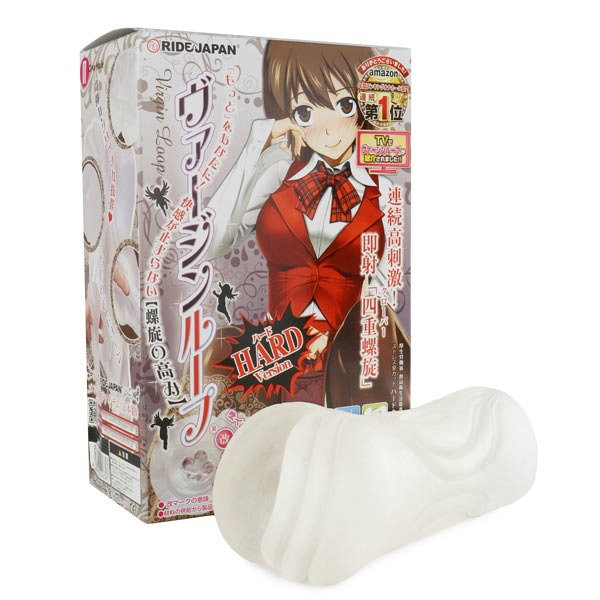
Read male masturbator materials before you buy a toy only because the listing says “realistic.” That word can hide a lot.
Should your first toy be a Fleshlight?
Maybe, but it is not automatically the best first buy.
A Fleshlight-style toy gives you a case, grip, and a more substantial object. That can be nice. It also means more bulk, more drying time, and more parts to deal with. If discretion and fast cleanup matter, a giant cased toy may be the wrong first move.
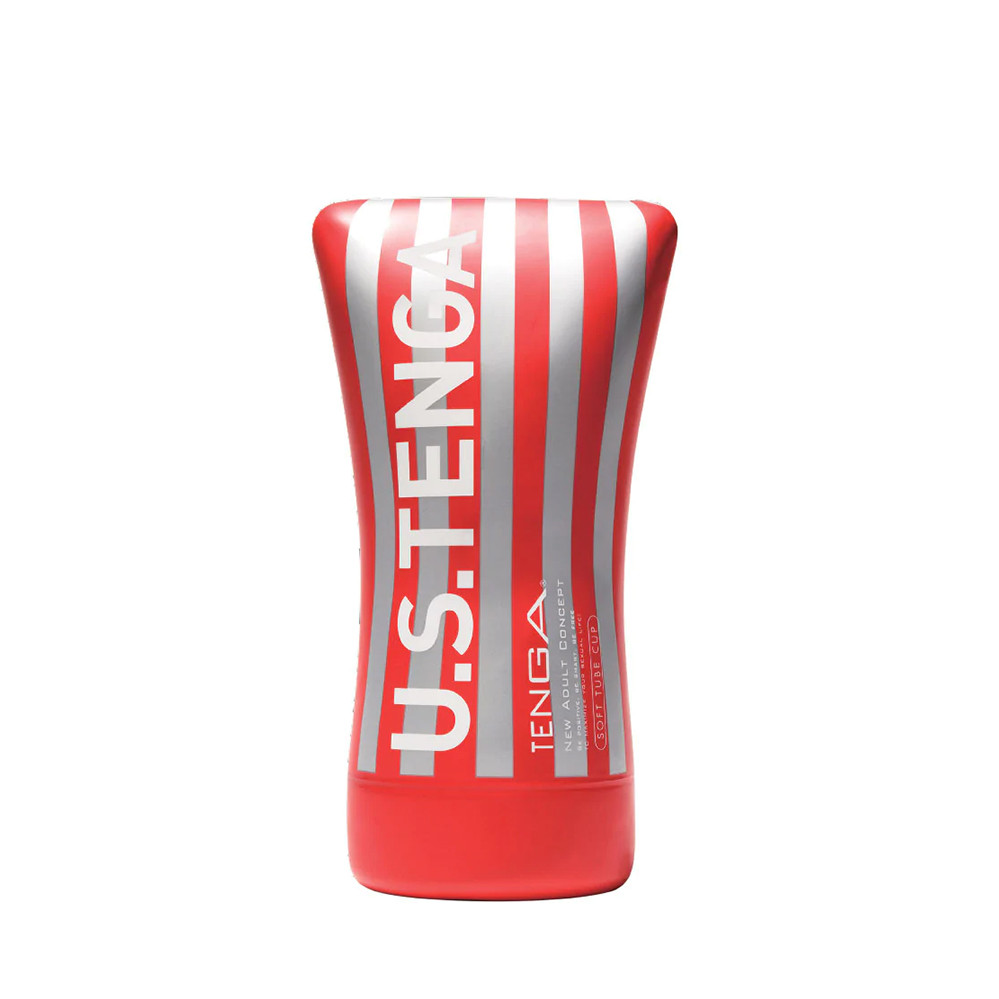
I would start smaller unless the hard case is exactly what you want. If it is, the best Fleshlight guide sorts the beginner-friendly sleeves from the intense ones, and the Fleshlight review covers what ownership is actually like. The Stamina Training Unit review covers the classic first-Fleshlight pick.
Are automatic male masturbators good for beginners?
They can be fun. I still would not start there unless the machine is the point.
Automatic toys add motors, batteries, noise, sleeves, cleaning rules, and sometimes app weirdness. With motorized toys, cleaning also has to respect electronics, so “just rinse the whole thing” is a bad plan unless the manual says it is safe.
Buy automatic when you want hands-free motion or synced content. Do not buy automatic because you assume price equals better. If you are curious anyway, start with what Reddit users say about automatic masturbators, the Kiiroo Keon guide, and my Seekheart electric masturbator review for the budget end.
How much should your first male sex toy cost?
Spend enough to avoid obvious junk, but not enough that you feel married to your first guess.
Your first toy teaches you preferences: soft or firm, open or closed, tight or relaxed, cased or uncased, easy cleaning or better feel. That learning is the value. A mid-priced manual toy is usually a smarter first lesson than a premium device you may not even like. Disposable options like the Tenga Egg are the cheapest way to test texture before spending real money.
What lube should beginners use?
Use water-based lube unless the toy instructions clearly say otherwise.
Water-based lube is the boring default because it is compatible with most soft sleeves. Silicone lube can damage some silicone toys, and oil-based products can be a bad match for many soft TPE or TPR toys.
How annoying is cleaning?
Cleaning is the tax you pay for owning the toy.
The basic routine is rinse, clean gently, rinse again, dry fully, powder if the material needs it, and store dry. Drying is the part people rush. A damp sleeve in a sealed bag is how a clean toy turns gross.
Start with how to clean an Onahole, then use the bigger male sex toy cleaning guide when you want the full routine by toy type.
What would I buy first?
I would buy a simple manual stroker or medium-intensity Onahole from a brand that gives real material and cleaning information.
I would skip the wildest texture, the biggest device, and anything that needs a 20-minute cleanup if I know I will resent that. Good first toys are not glamorous. They fit your budget, clean without drama, and teach you what you actually like.
Beginner FAQ
What is the safest first male sex toy to buy?
A simple manual stroker or medium-intensity Onahole from a brand with clear material and cleaning instructions is the lowest-risk first buy.
Should a beginner buy an automatic male masturbator first?
Only if hands-free motion is the feature you specifically want. Automatic toys add noise, charging, cleaning rules, and app friction.
What lube should beginners use with male sex toys?
Water-based lube is the safest default for most soft sleeves unless the toy manufacturer clearly says another lubricant is compatible.
What should beginners avoid?
Avoid mystery materials, ultra-tight sleeves, oversized closed toys, and expensive devices bought only because they look more serious.
Related guides and reviews
- Best male masturbator guide
- Best Fleshlight: what to buy and skip
- Fleshlight review: what to know before buying
- Male stroker guide
- What is an Onahole?
- Male masturbator materials
- How to clean male sex toys
- All product reviews
- All male sex toy guides
Sources and notes
Healthline’s medically reviewed sex toy cleaning guide supports the broad porous/nonporous distinction used here, including silicone as nonporous, elastomer-style materials as porous, material-specific cleaning methods, and extra caution around motorized toys.
The Tool Shed’s toy care guide supports water-based lube as the safest default for TPE/TPR and avoiding oil-based lubes with those materials.